Published : 2026-10-30
Kowloon Walled City is a legendary Hong Kong landmark. With Lung Tsun Stone Bridge Park officially opening in mid-October 2026, the long-buried stone bridge reconnects the modern Kai Tak development with the history of the Kowloon Walled City (九龍寨城).
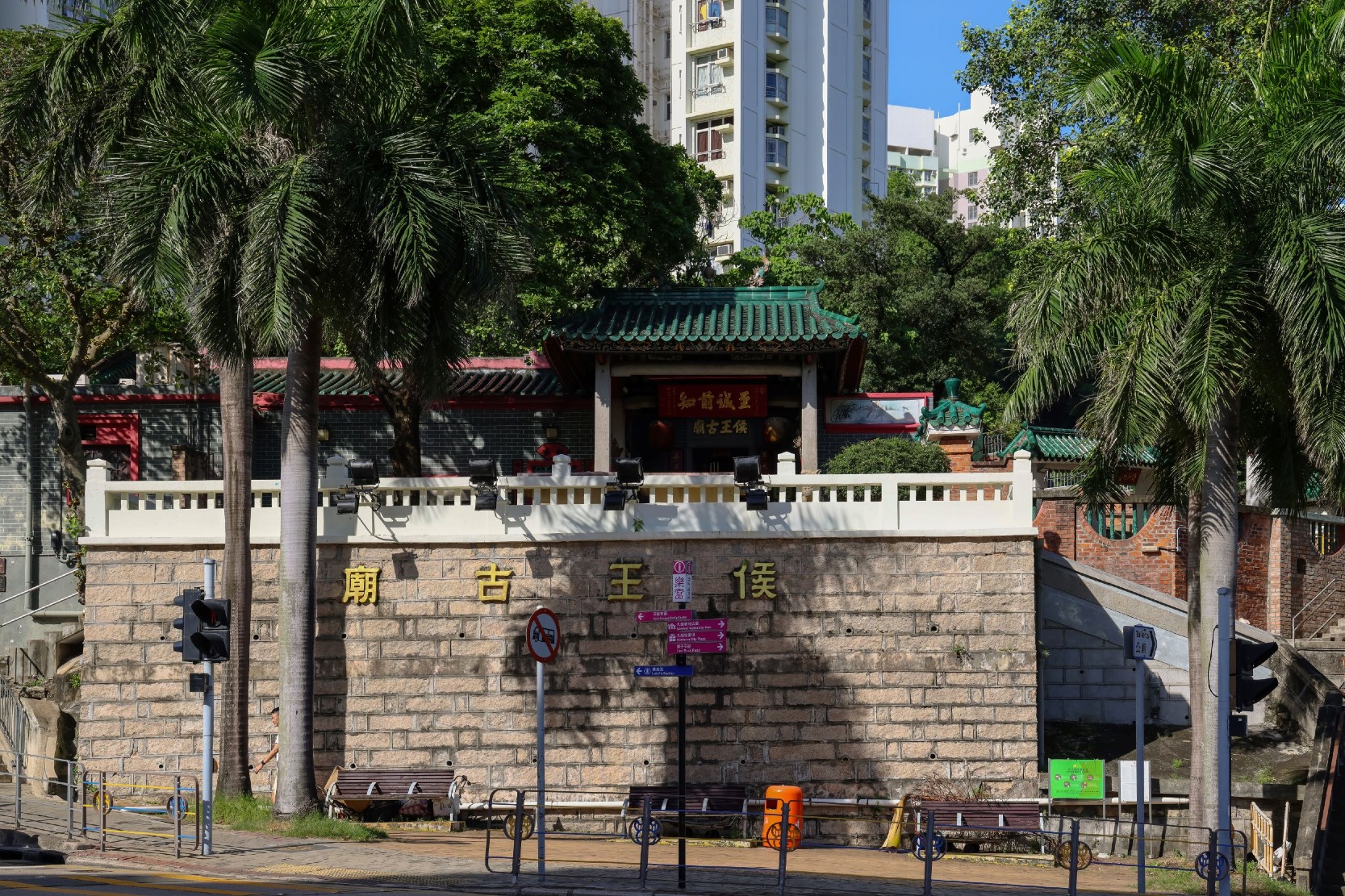
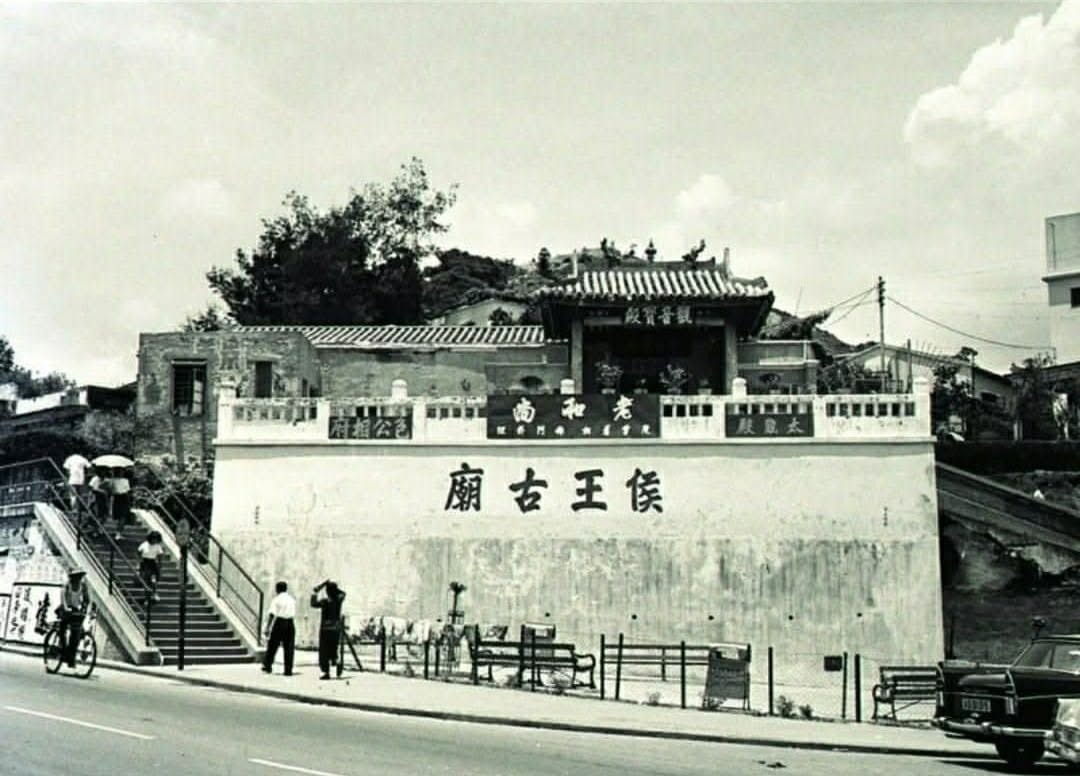
To understand the historical role and vicissitudes of the Kowloon Walled City, the Kowloon City Hau Wong Temple (侯王古廟), just a street away from the Kowloon Walled City Park (寨城公園), is also worth a visit.
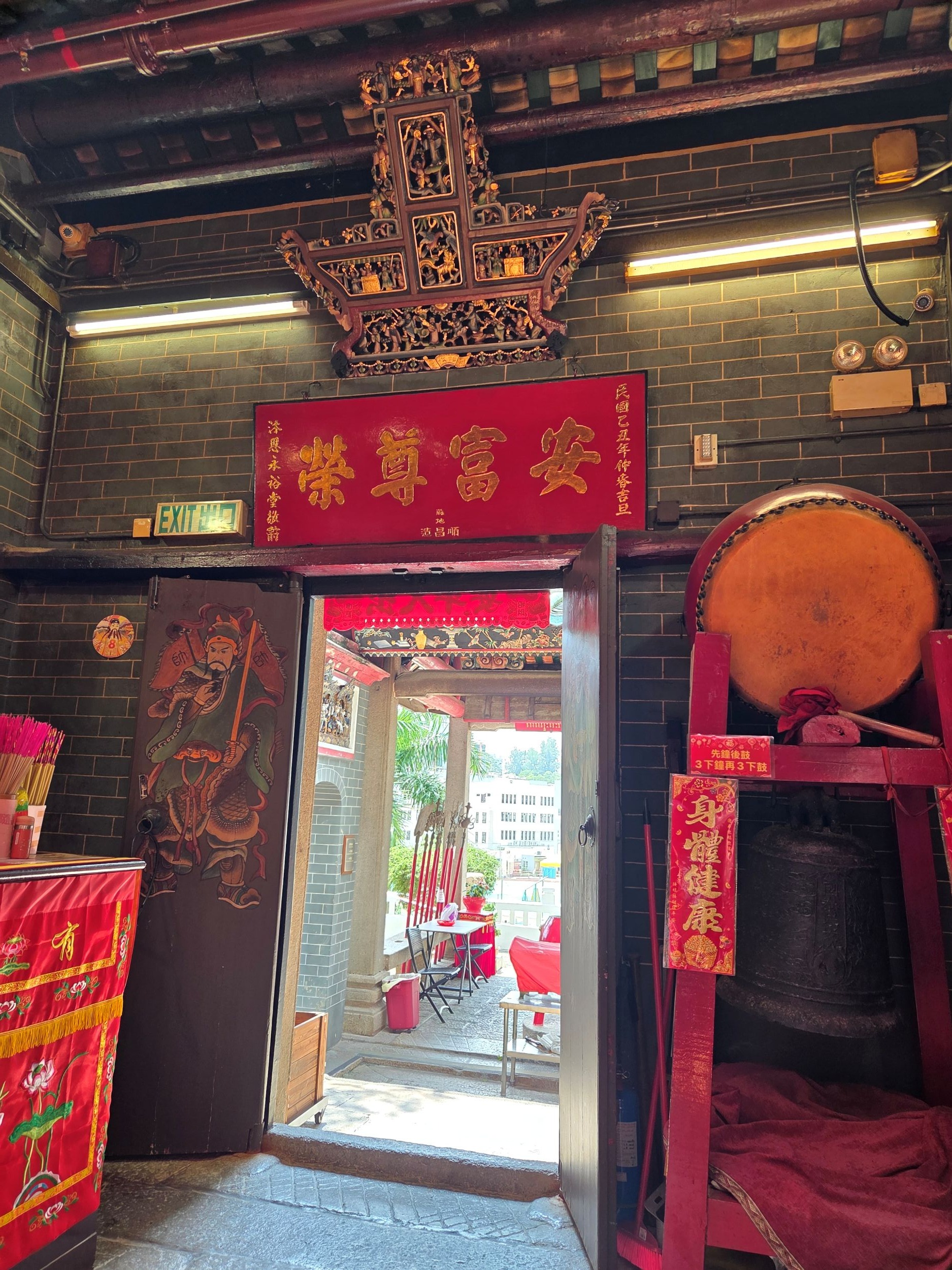
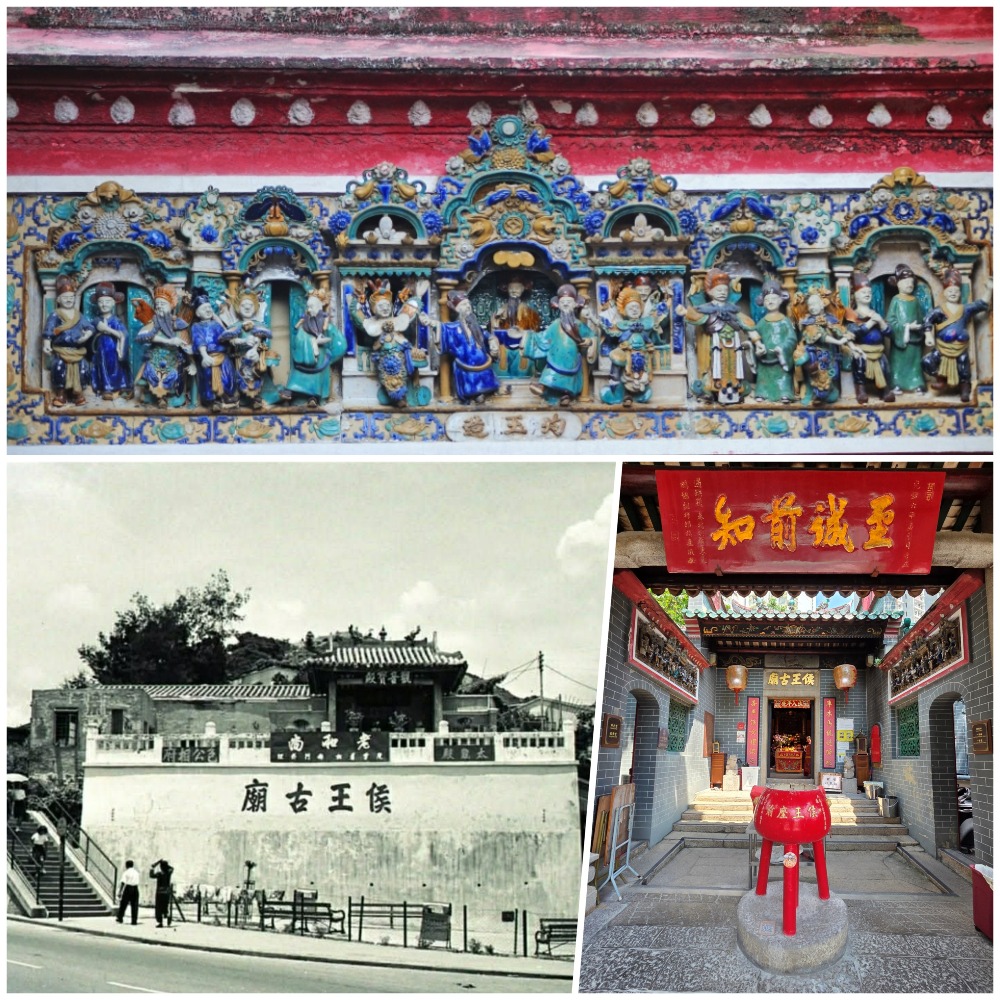
As the oldest temple in Kowloon, it not only houses a rich collection of Kowloon Walled City artefacts, but its architecture is also highly distinctive.
Hau Wong Temple and Kowloon Walled City were once connected by a stone-paved path
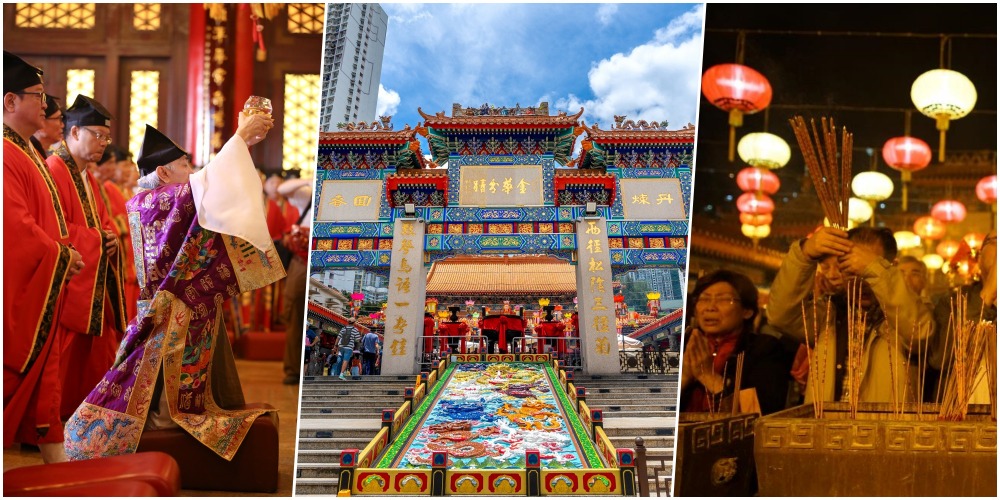
When it comes to worshipping deities, Kowloon residents today might first think of the Wong Tai Sin Temple. However, over a hundred years ago, the incense burning at Kowloon City Hau Wong Temple was much more prosperous.
At that time, Hau Wong Temple and the Walled City were not separated by Tung Tau Tsuen Road (東頭村道) as they are today; a stone-paved path once connected them.
This now-vanished "Temple Path" was a daily route for Qing soldiers and residents, witnessing the close ties between the Kowloon Walled City's officials, residents, and their religious beliefs.
The year of Hau Wong Temple's construction is unknown, but based on an ancient bell in the temple cast in the eighth year of the Yongzheng (雍正) reign of the Qing Dynasty (1730), it is estimated that the temple has a history of nearly 300 years, making it much older than the Kowloon Walled City, which was completed in 1847.
The Kowloon Walled City was built to strengthen the military defence of the border, in order to resist the British government that had already seized Hong Kong Island. Hau Wong Temple, not far from the Kowloon Walled City, became a spiritual haven for officials and residents
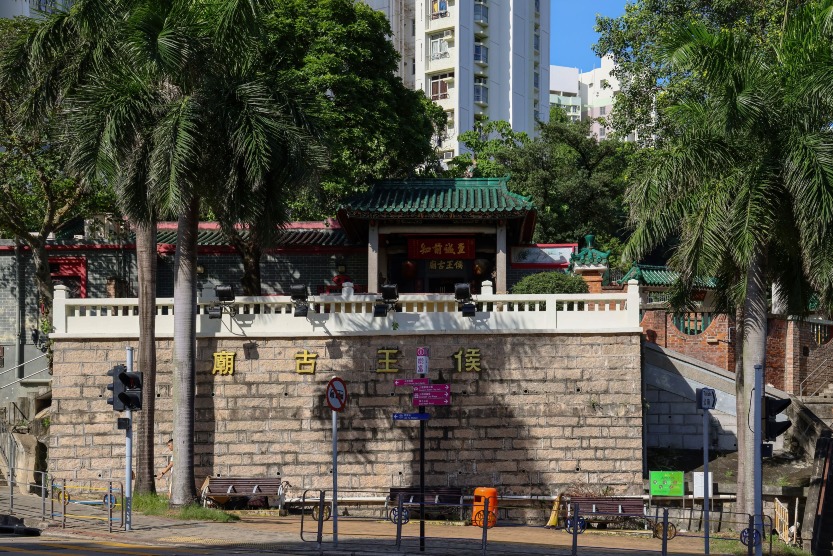
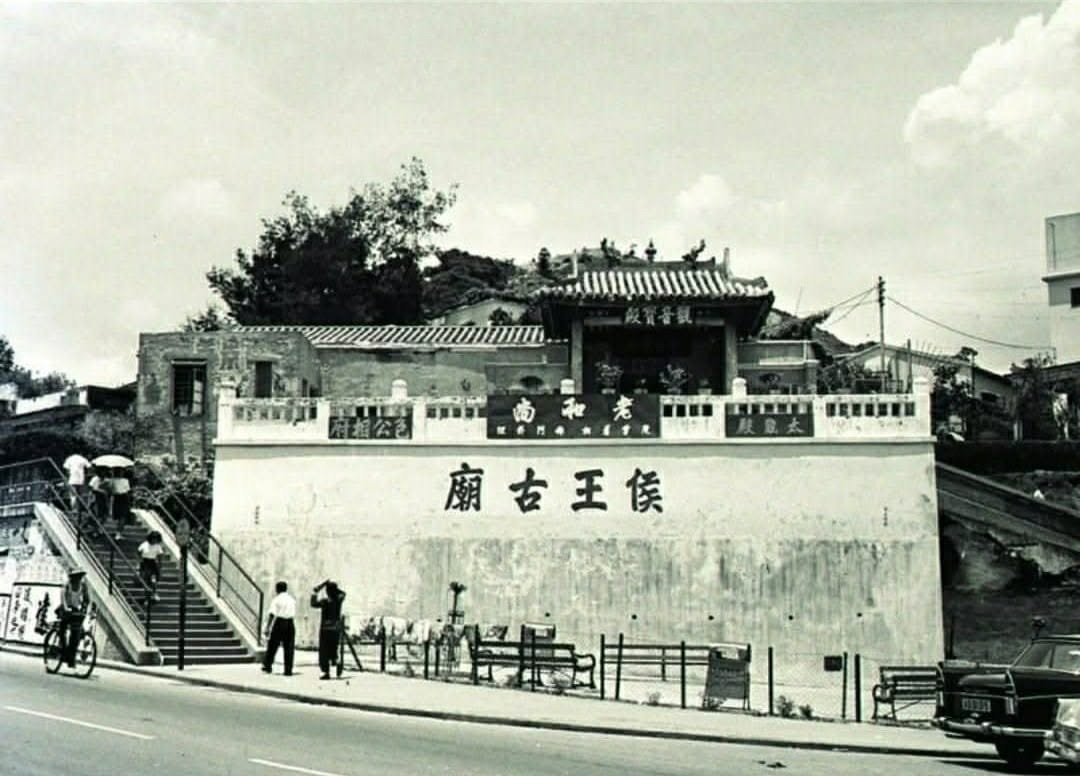
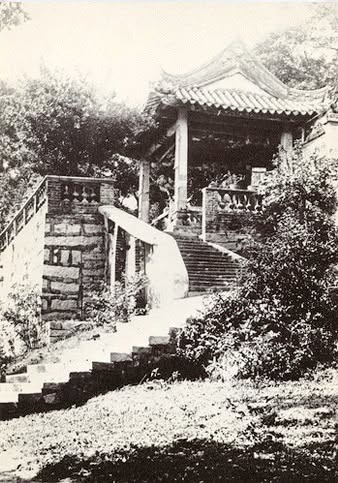
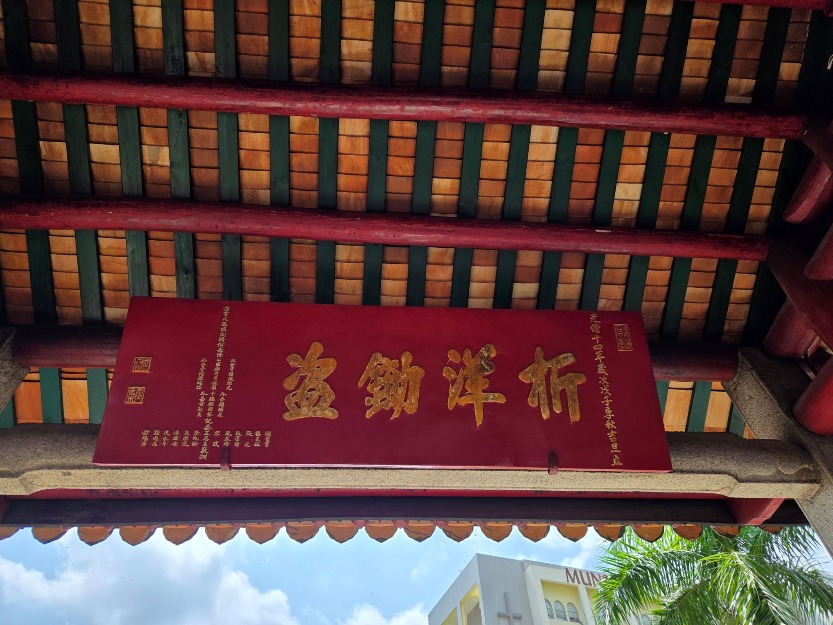
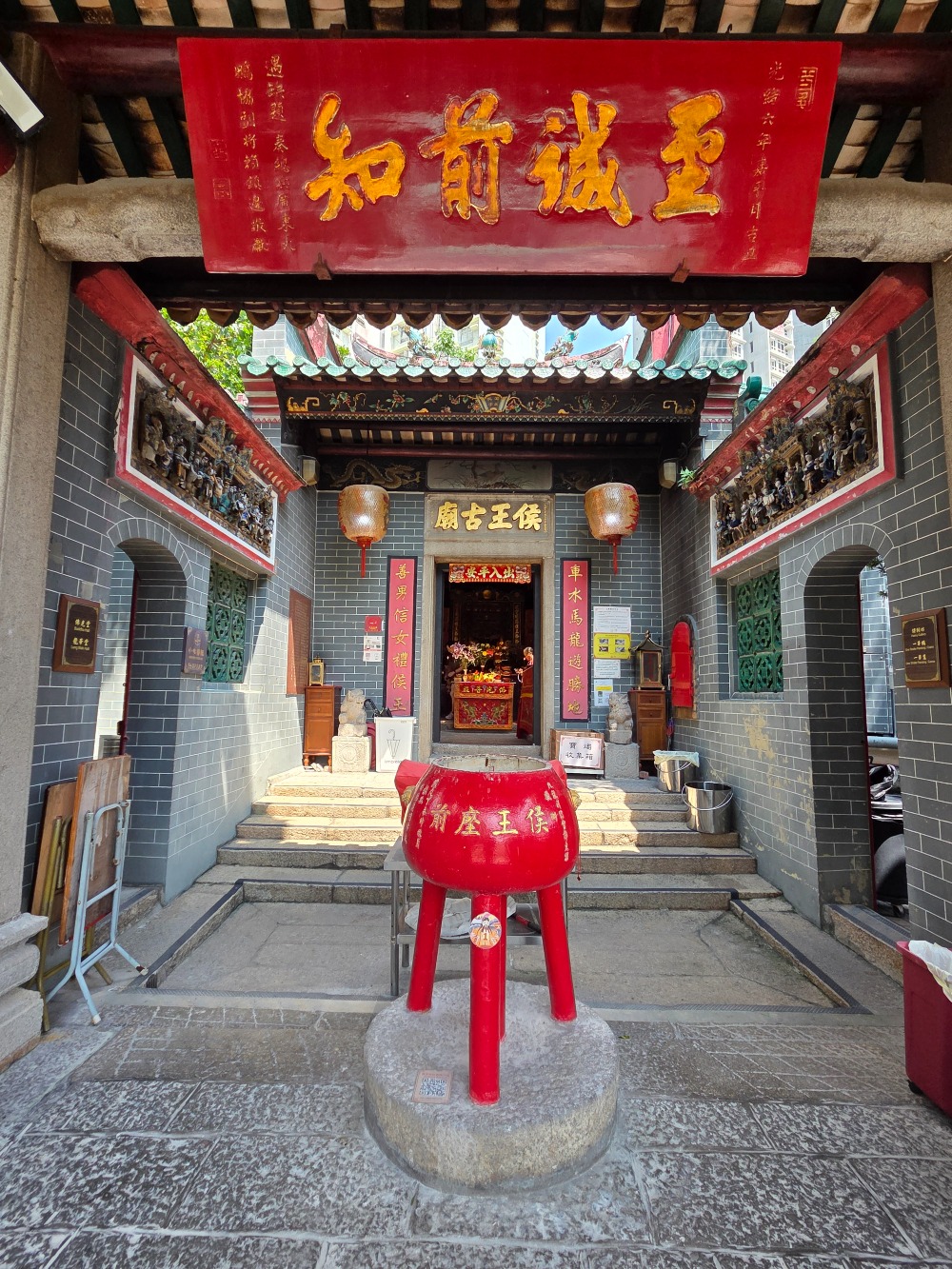
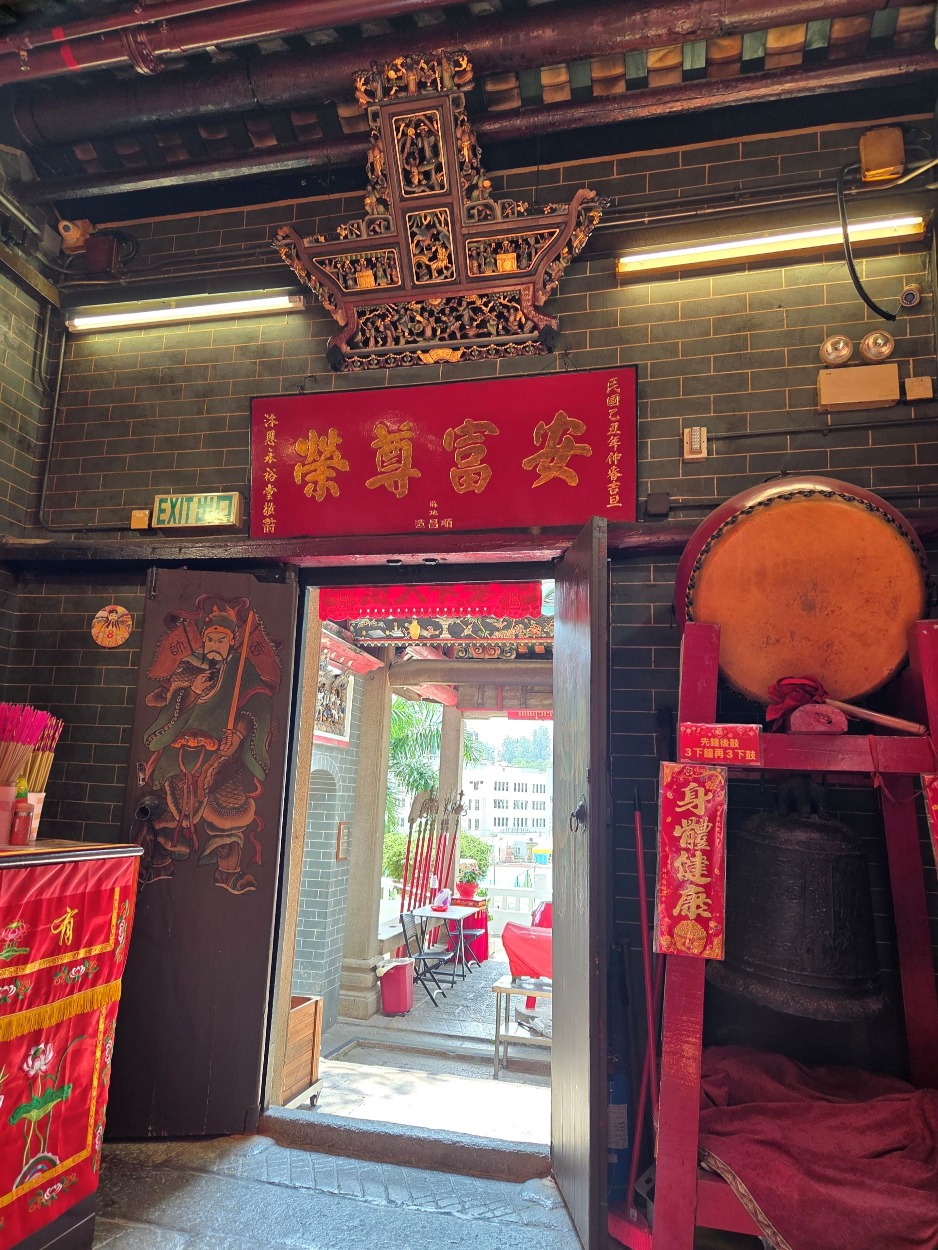
The plaque in Hau Wong Temple tells the Qing officials' bandit capture
Who is "Hau Wong"? There are many different accounts regarding Hau Wong's true identity.
Chan Pak-to (陳伯陶), the former Qing dynasty imperial historian, maintained that "Hau Wong" refers to Yang Liangjie (楊亮節), a brother-in-law of the Emperor in the Southern Song Dynasty.
According to this view, the temple was erected by later generations to honour his loyalty and valor in courageously escorting the Song Emperors Zhao Shi and Zhao Bing during their flight south to Hong Kong.
Sinology master Jao Tsung-I (饒宗頤), however, believed that the temple was built by the descendants of the Yeung clan to commemorate their illustrious ancestors.
There is also a legend that Hau Wong was Yeung Yi Pak Kung (楊二伯公), who had once cured a Song emperor's illness.
Although Hau Wong's identity is difficult to verify, the miraculous events associated with him are clearly recorded.
Throughout history, officers and commanders stationed at the Kowloon Walled City were fond of visiting the Hau Wong Temple to worship.
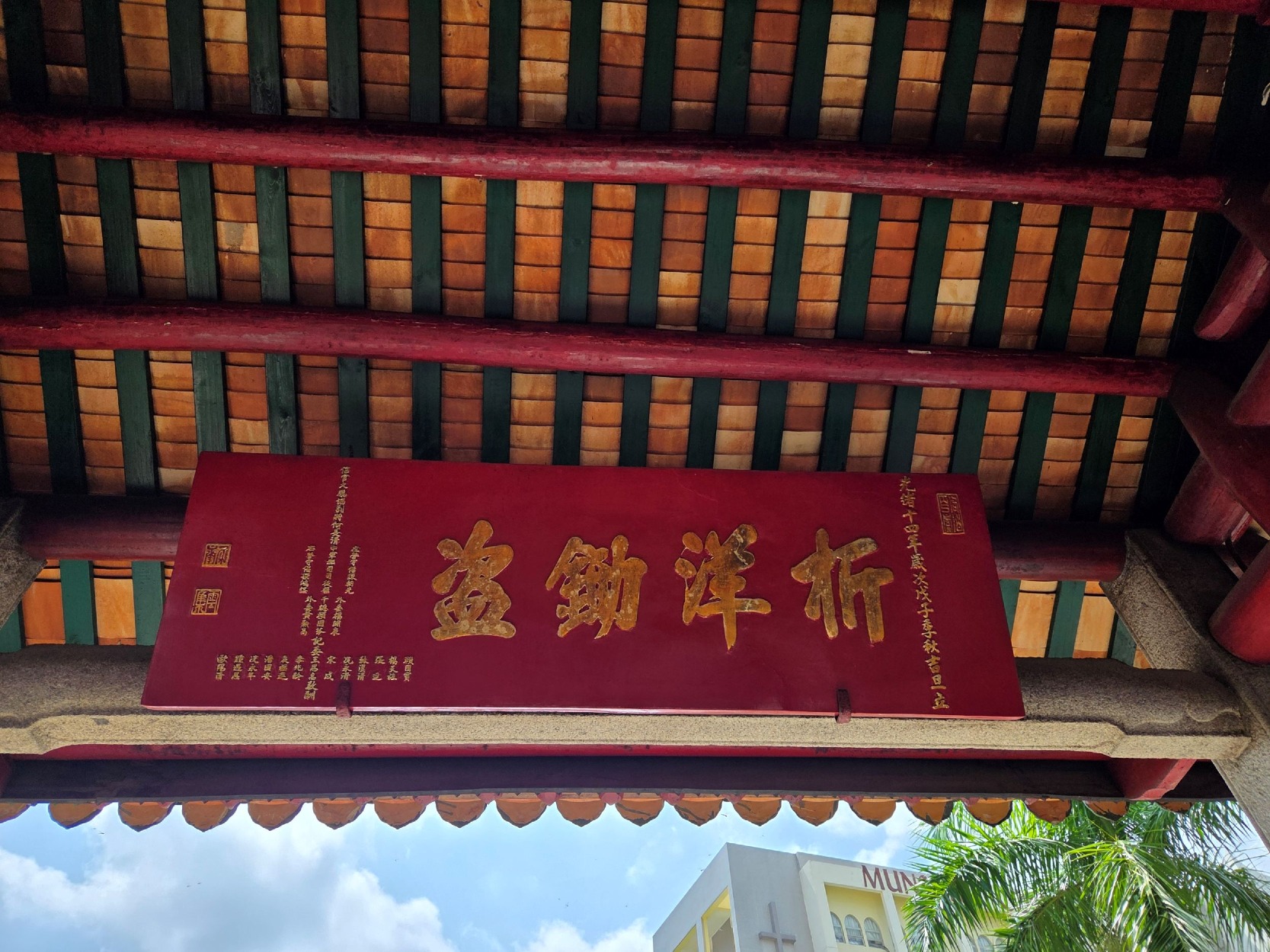
Among the artefacts, the "Subduing the Seas and Eliminating Bandits" (折洋鋤盜) plaque hanging in the joss-stick pavilion in front of the temple was presented by the Qing court's Dapeng Brigade Vice Commander He Changqing (何長清) and other officers in the 14th year of the Guangxu reign (1888).
"Subduing the Seas and Eliminating Bandits" means, as the name suggests, subduing and eliminate bandits.
Legend has it that the notorious bandit "Fa Dan Mun" (花旦滿) was rampant across Hong Kong at the time. After several failed attempts to capture him, a desperate He Changqing consulted the oracle at the Hau Wong Temple and received a divination slip that read "The Three-Jewelled Eunuch's Voyages to the Western Seas" (三寶太監下西洋).
He Changqing had a flash of inspiration, believing that the "Western Seas" mentioned in the slip referred to Macao. He then dispatched men to investigate, and they ultimately succeeded in arresting the bandit, who was then escorted back to Kowloon City for execution.
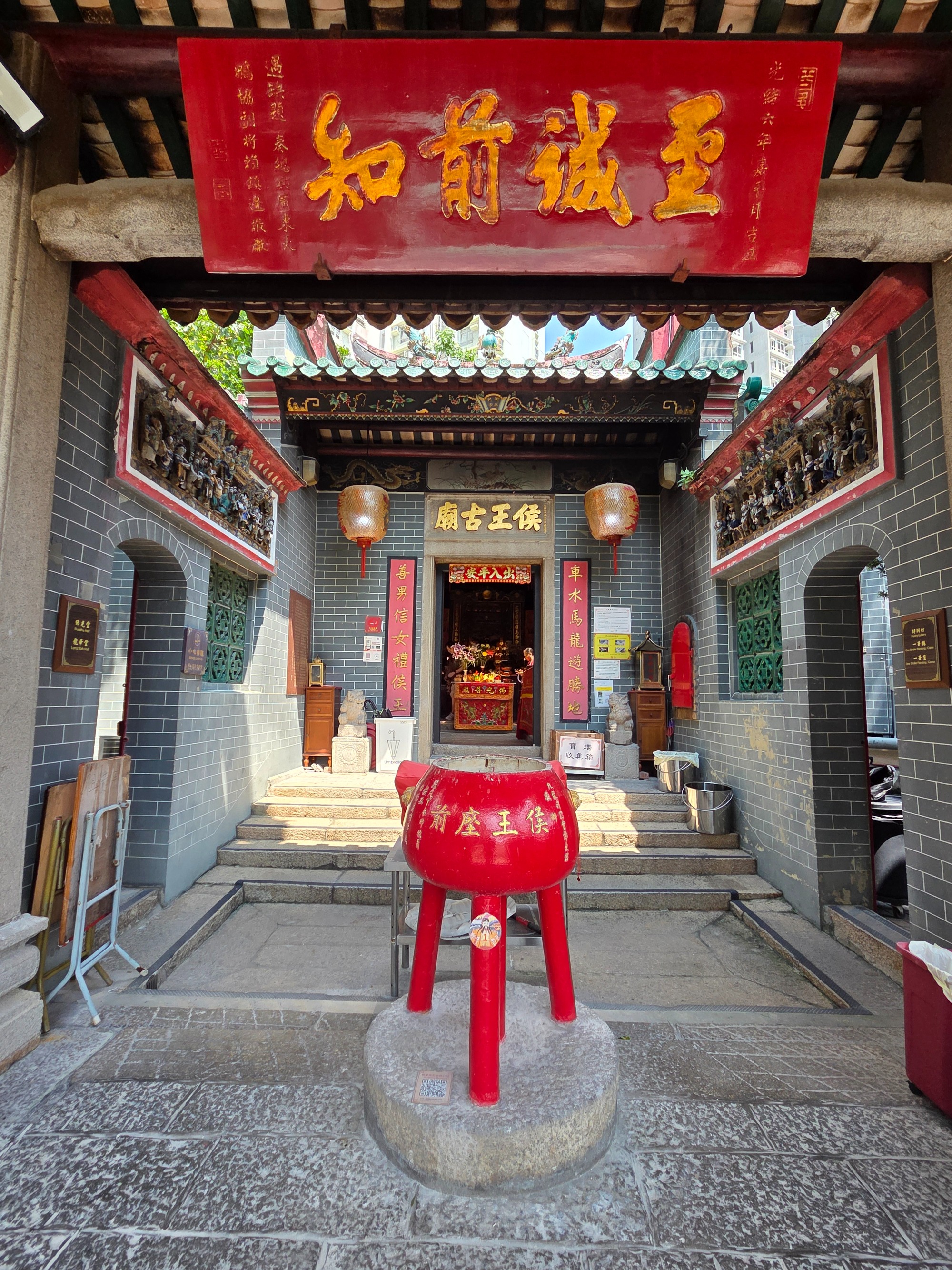
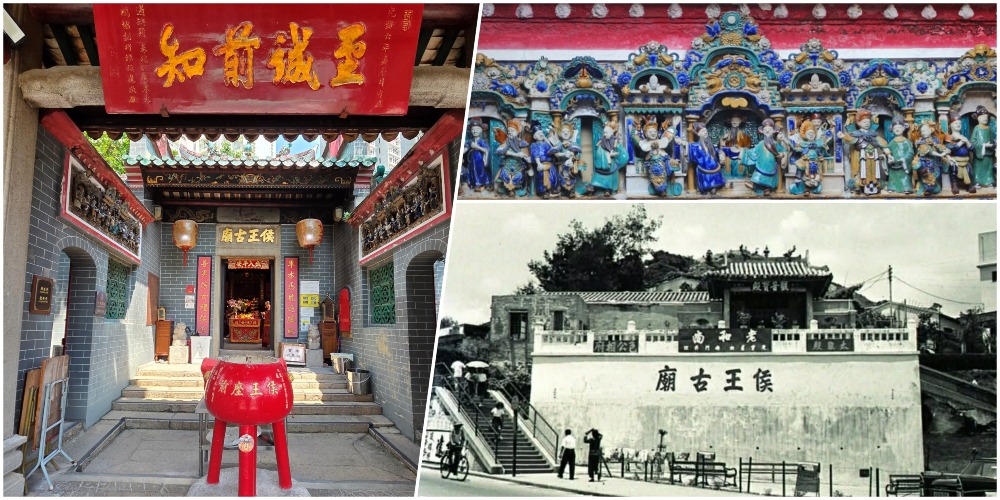
In addition, the Hau Wong Temple also preserves an iron incense burner engraved with "Hau Wong Zuo Qian" (侯王座前, meaning "Before the Throne of Hau Wong"), donated in 1847 by the first Kowloon Patrol Inspector, Hui Man Sum (許文深), and the plaque "Zhi Cheng Qian Zhi" (至誠前知, meaning to reach the highest state of sincerity, enabling one to perceive the future development of things), presented between the Tongzhi and Guangxu reigns by Lai Zhenbian (賴鎮邊), the Dapeng Brigade Vice Commander of Guangdong stationed at the Kowloon Walled City, among other items.
These cultural relics not only reflect the historical link between the Hau Wong Temple and the Kowloon Walled City, but may also speak of the spiritual solace of these late-Qing generals who quietly guarded Hong Kong amid turbulent times.
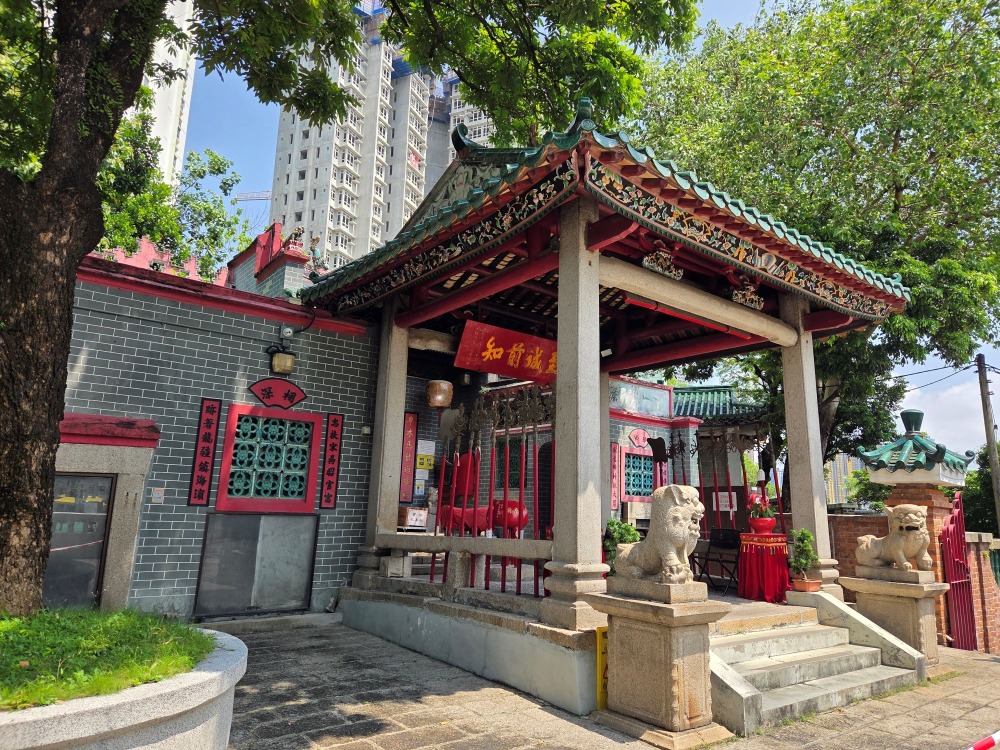
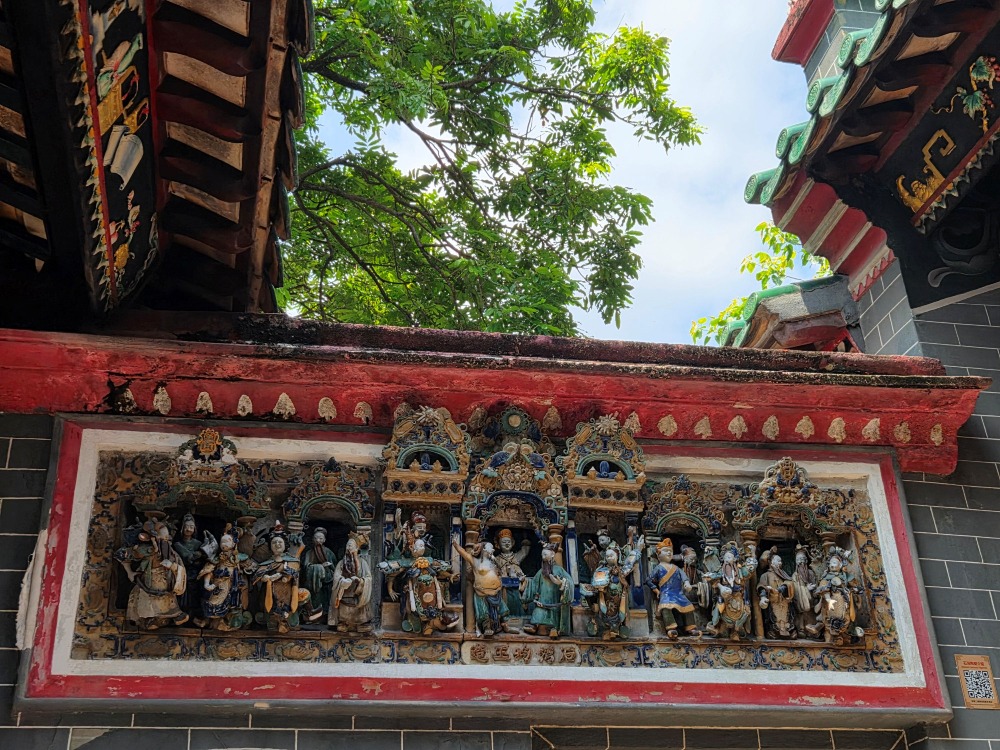
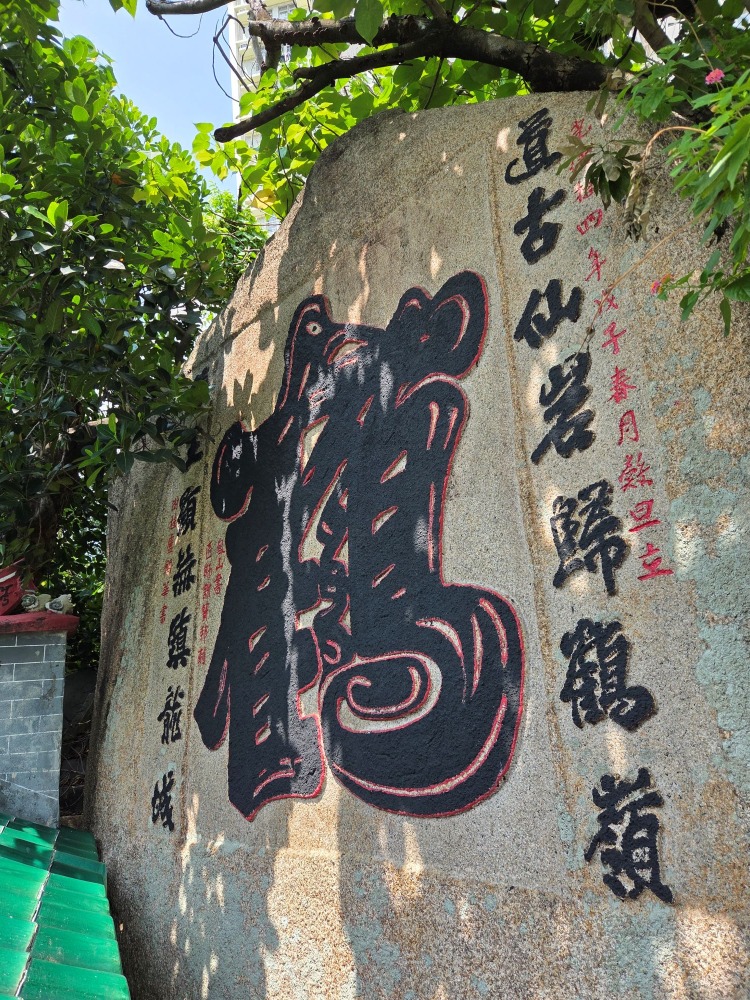
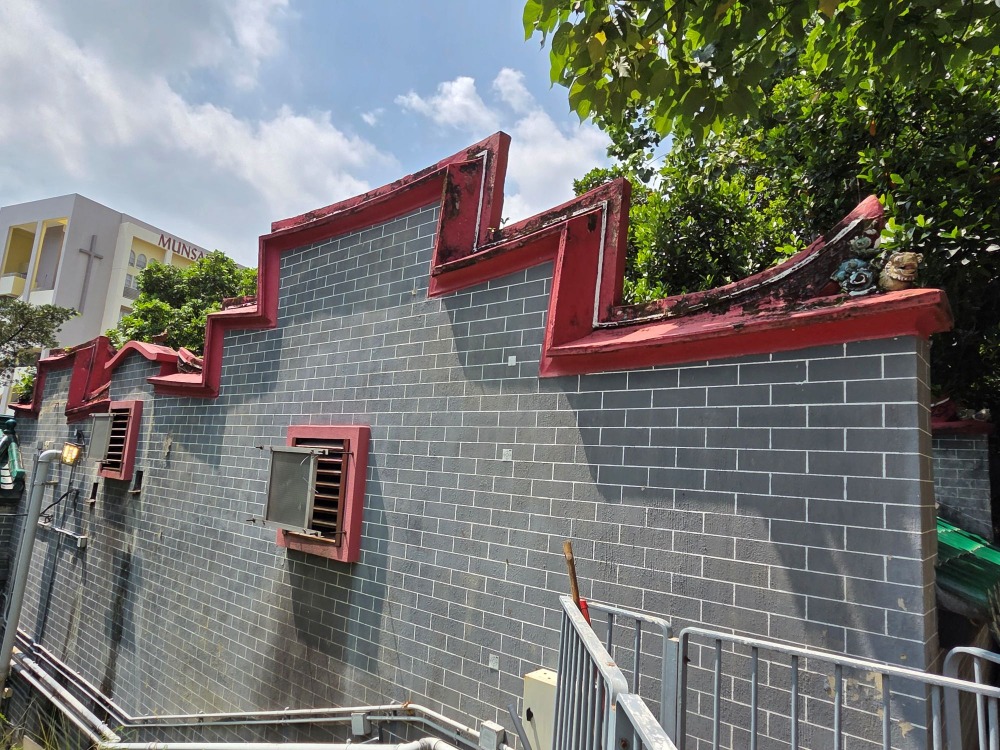
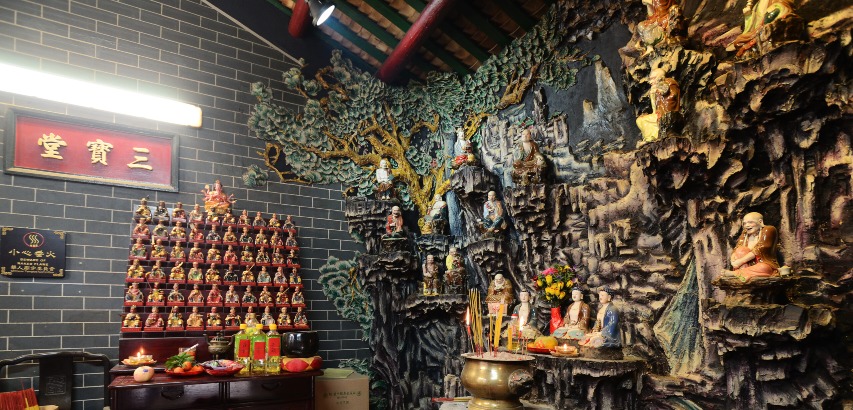
Admiring Hau Wong Temple's distinctive gable walls and ceramic sculptures
Besides its rich history, Hau Wong Temple is also architecturally rewarding.
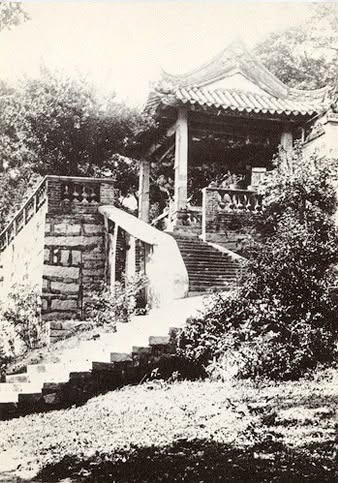
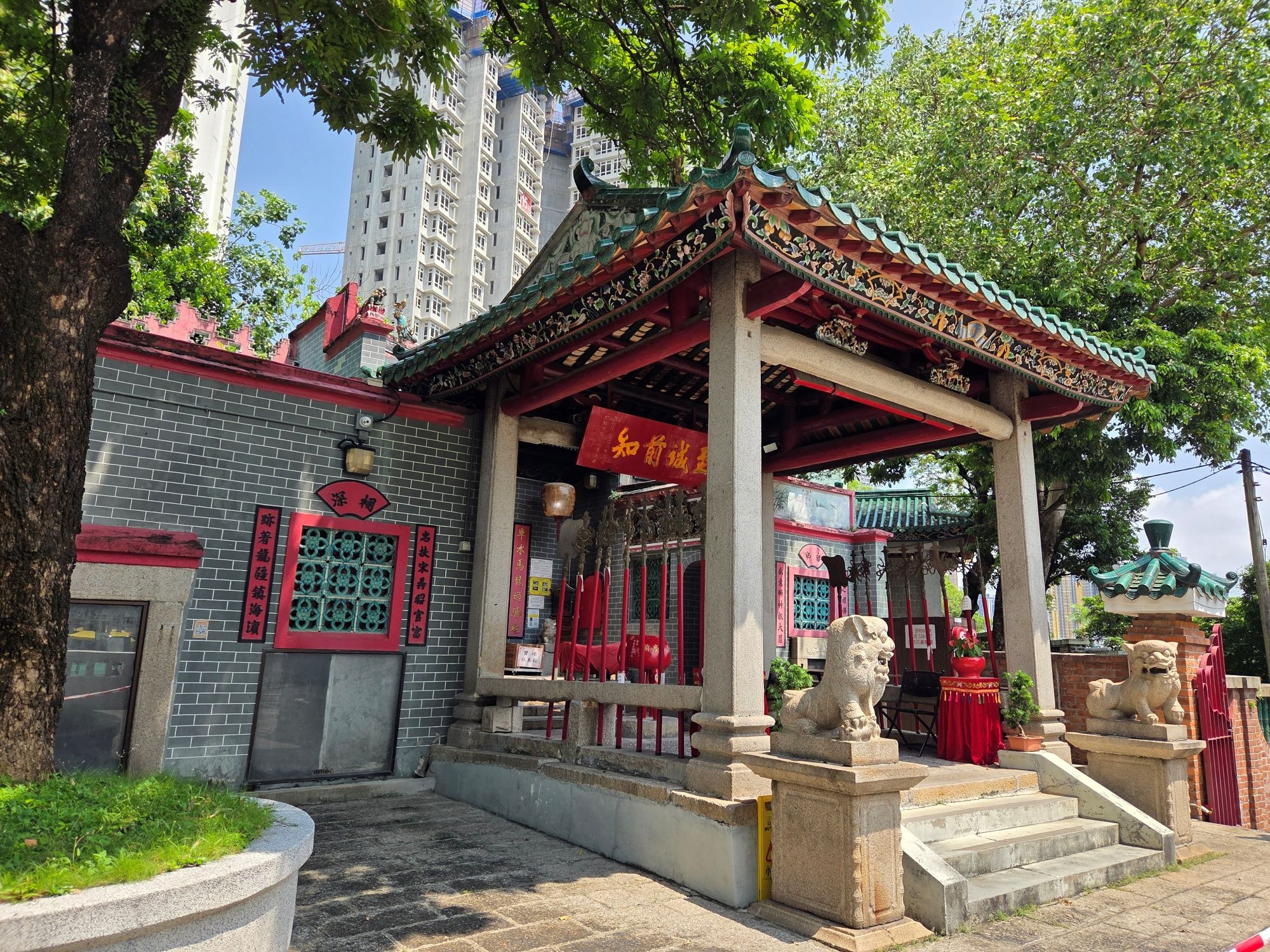
The temple is built on a high stone platform, appearing secluded and unassuming when viewed from Junction Road. Ascending the steps, the ancient temple, built against the mountain, is composed of a main hall, side halls and a garden.
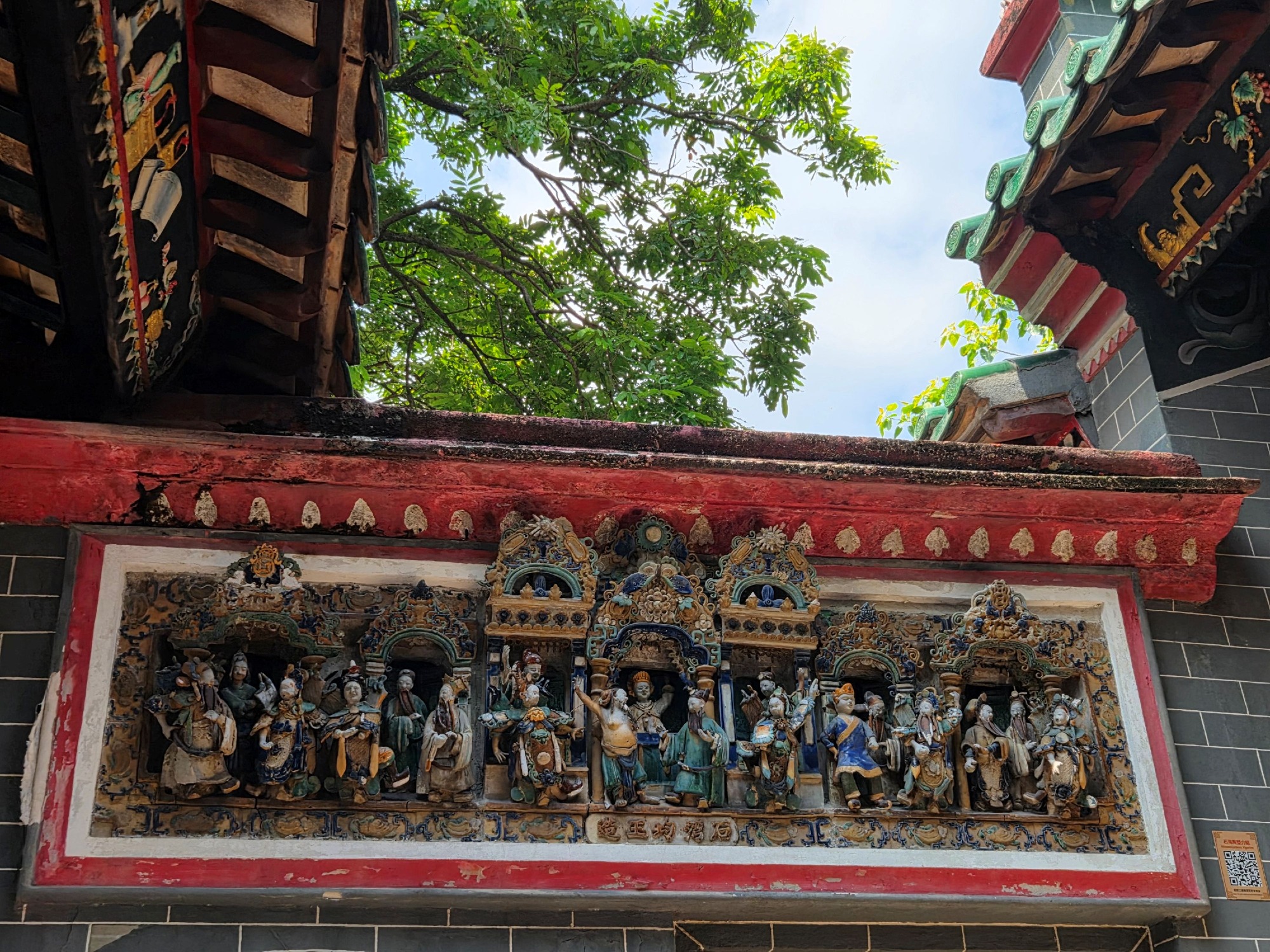
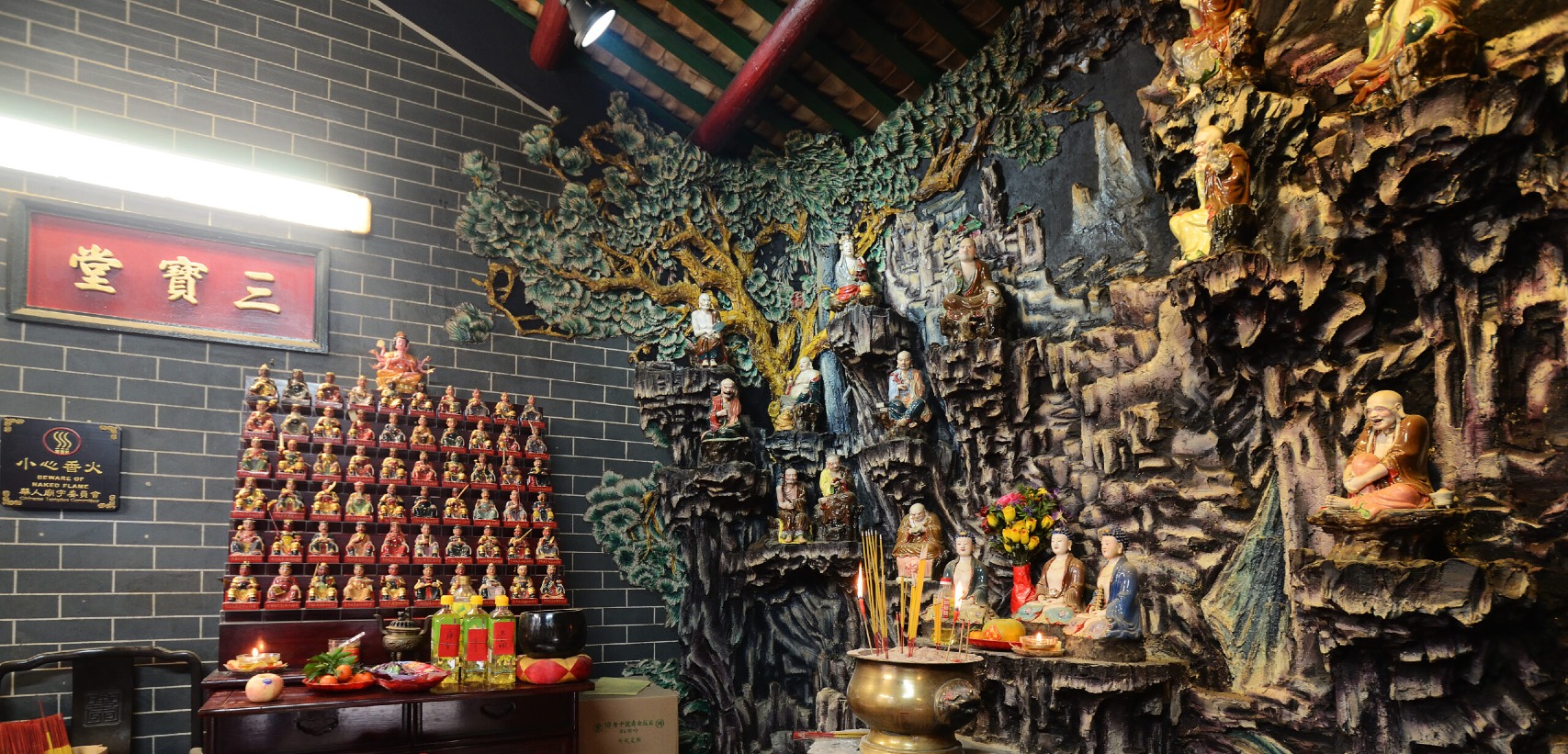
Both the roof and the interior of the temple are decorated with magnificent and detailed Shek Wan ceramic sculptures, featuring lively characters from themes such as Saga of the Sui and Tang Dynasty (《隋唐風雲》) and The Investiture of the Gods (《封神榜》).
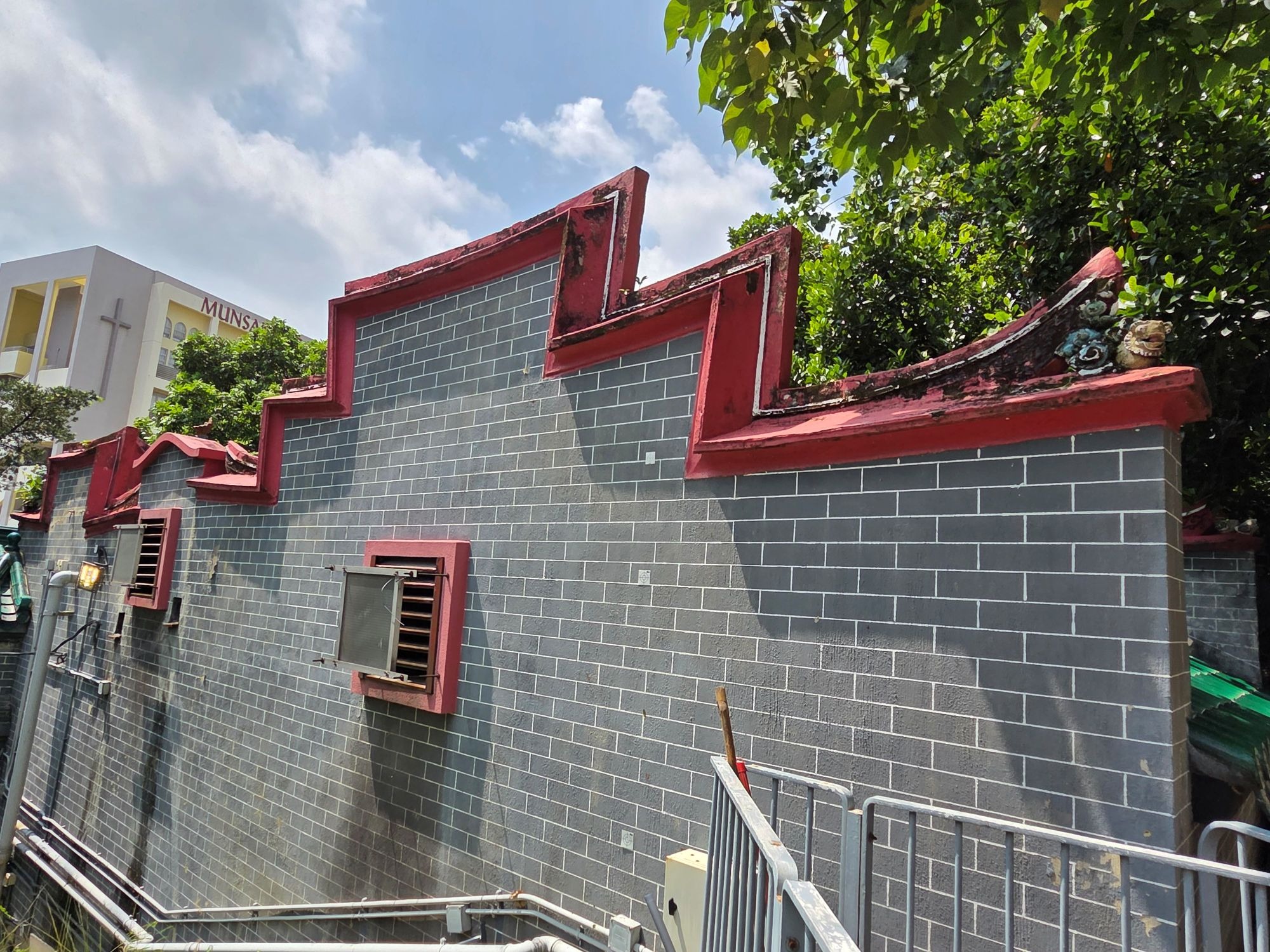
From the outside, the most eye-catching feature is the exaggerated "Five Peaks Facing Heaven" gables wall, a design that is very rare in Hong Kong, seen only in a few places such as Lo Pan Temple in Kennedy Town; in addition, the roof ridge is decorated with Aoyu (鰲魚) and pearls, symbolising good fortune and surplus.
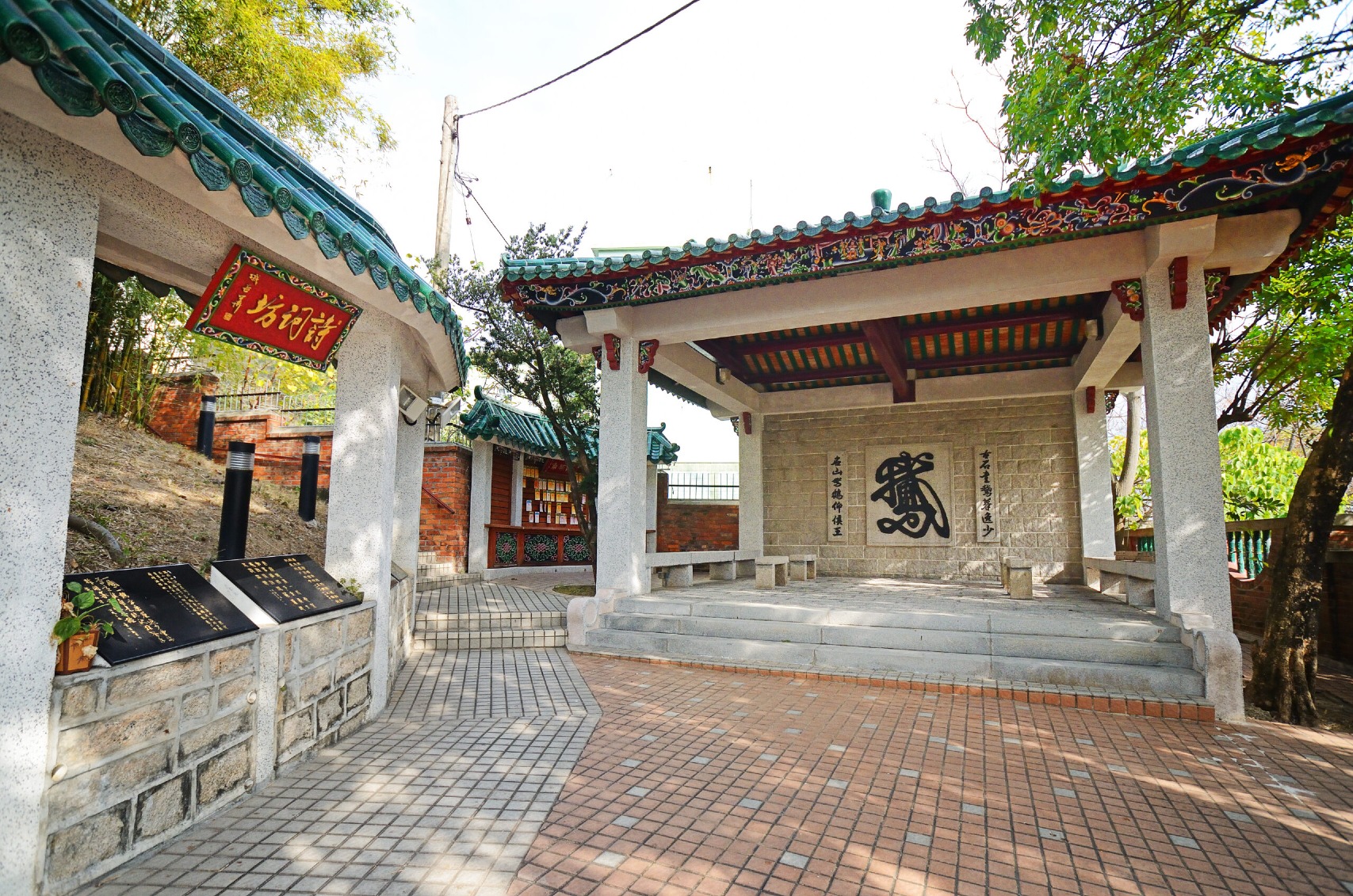
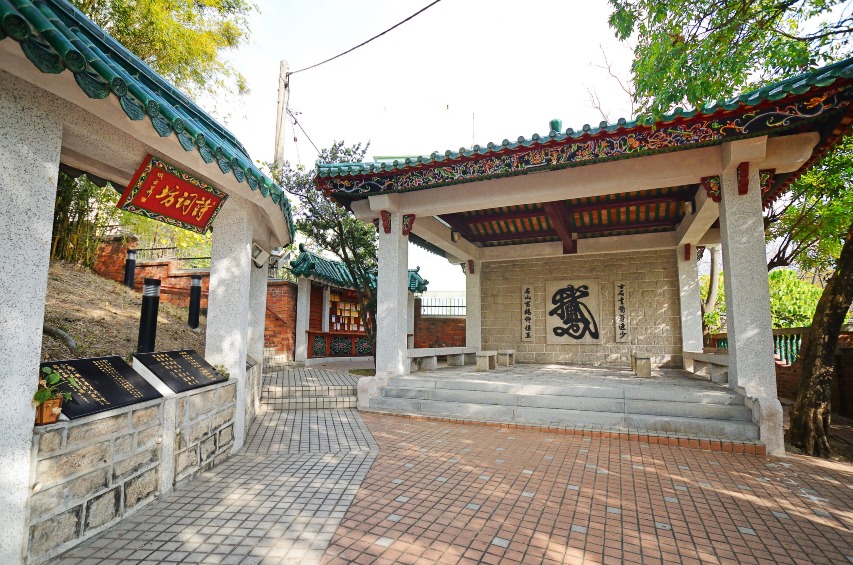
Walking around to the rear of the temple, the garden reveals another hidden world.
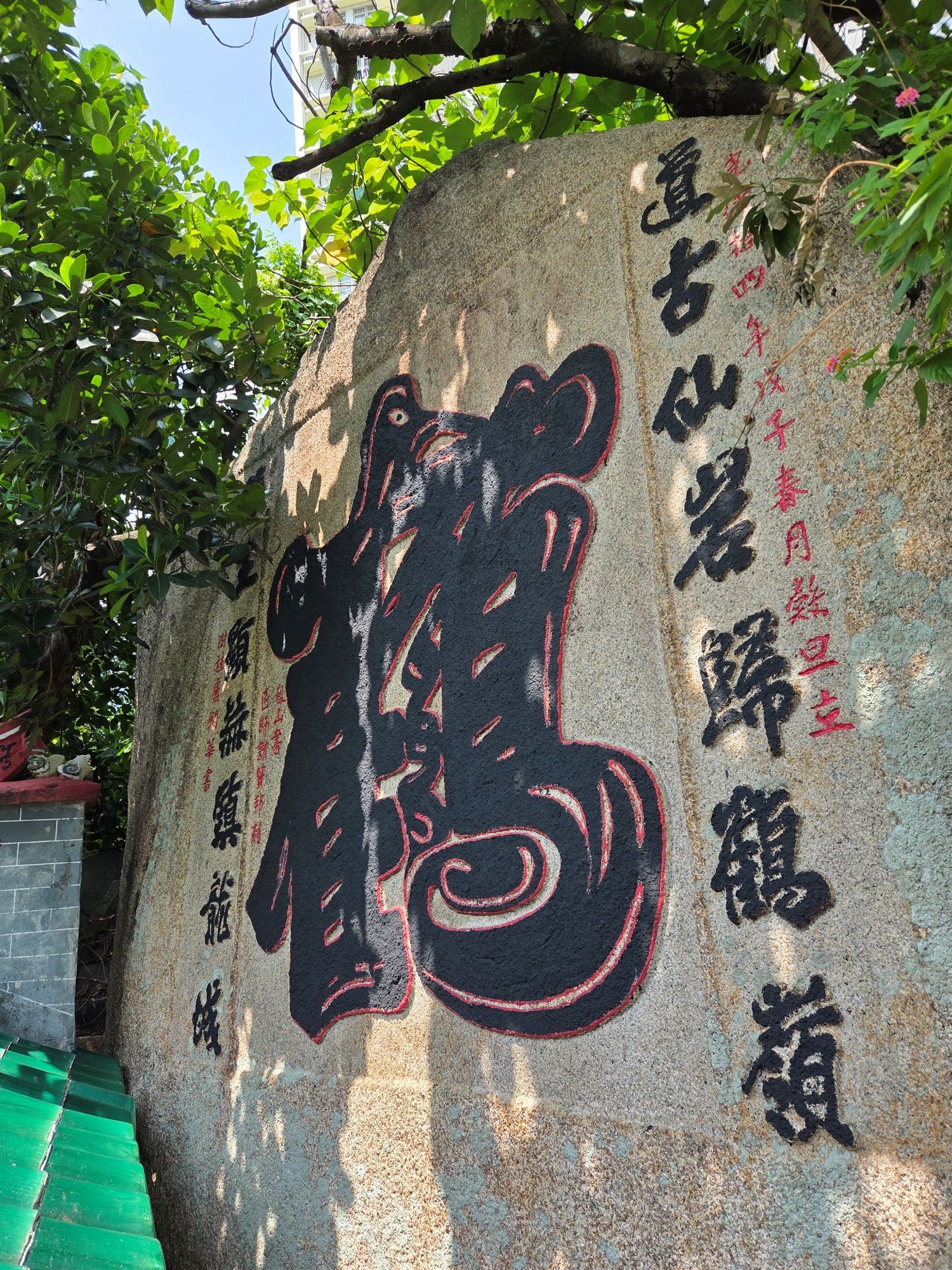
Following the small path, what comes into view is a stone carving of the Chinese character "鶴" (crane) dating back to 1888; the character "鶴" represents Pak Hok Shan where the Hau Wong Temple is located.
Meanwhile, the vigorous calligraphy of the character "鵞" (goose) below the pavilion is a replica of the original ink treasure written by a Qing dynasty xiucai (秀才, literally "cultivated talent", referring to imperial scholars who passed the entry-level civil service examinations at the county level in imperial China), Zhang Shouren (張壽仁), in 1887.
The next time you visit Kowloon Walled City Park, why not take a short walk over to Hau Wong Temple and search for the historical imprints of the Kowloon Walled City and Hong Kong in this 300-year-old historic monument.
Hau Wong Temple, Kowloon City
Address: Junction of Junction Road and Tung Tau Tsuen Road, Kowloon City
Opening hours: 8am-5pm
Website: https://www.ctc.org.hk/temple/%E4%B9%9D%E9%BE%8D%E5%9F%8E%E4%BE%AF%E7%8E%8B%E5%8F%A4%E5%BB%9F/
Read more:
Kowloon Walled City: Once the "Lawless Land" in Hong Kong History
Explore Kowloon Walled City with movie set exhibition
HK's century-old Lung Tsun Stone Bridge and its story with Kowloon Walled City
Kowloon City Walled or Kowloon Walled City, which is correct?
Classic Hong Kong films shot in the Kowloon Walled City
Stone Houses Family Garden is the hidden bing sutt in Kowloon City